
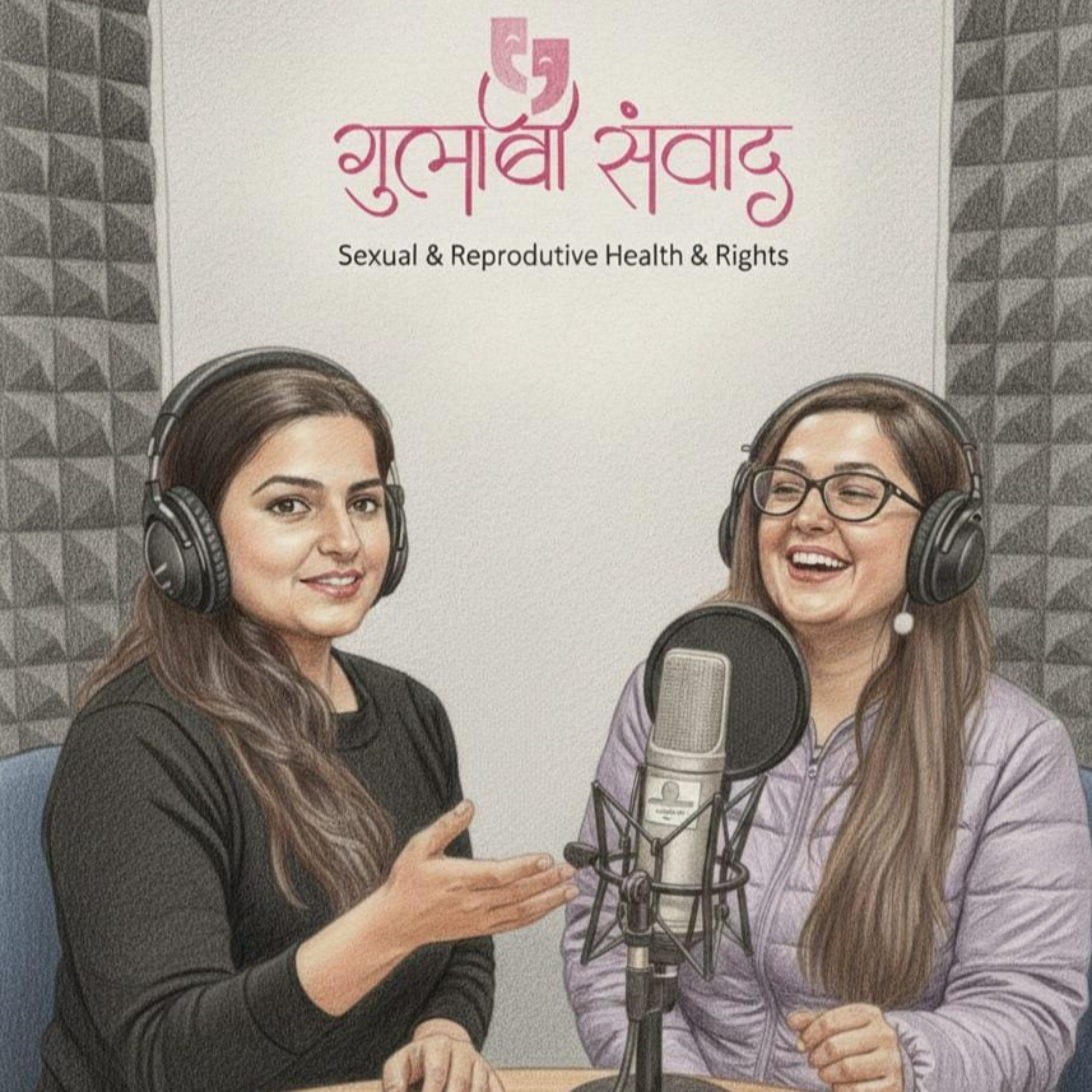
Gulabi Sambad
Jun 28, 2024
During the summer, new moms need to focus on hygiene and comfort. Wearing loose, breathable clothing and staying in cool environments helps reduce sweating. Regular showers with mild soap keep the skin clean, and drinking plenty of water is important for hydration. To care for the perineal area, use a peri bottle with warm water after using the toilet, pat the area dry, and change pads often. If there are stitches, keep the area clean, use sitz baths, and avoid tampons until healed. Watch for signs of infection, like increased pain or unusual discharge. For breast care, clean nipples with water after breastfeeding, let them air dry, use breathable breast pads, and wear a supportive bra. Avoid overexertion, gradually ease into activities, eat a balanced diet, and keep regular healthcare appointments for a smooth recovery.
Highlighting all these, this episode of Gulabi Sambad includes a conversation with Dr. Ranjana Sah, a Gynecologist and Obstetrician.
#pregnancyhygiene #postpartumhygiene #postpartumcare #summer #srhr #podcast #gulabisambad
Episode 60, Season 03, मधेसका यौन हिंसाका संवेदनशील मुद्दा: गुलाबी संवाद with सुष्मा गौतम
This episode of Gulabi Sambad features a conversation with journalist Sushma Gautam about sensitive issues of sexual violence and sexual and reproductive health in Madhesh. It talks about the challenges girls, women and marginalized communities face, including stigma, silence, and lack of proper information and services.The episode also discusses how many young boys are getting involved in sexual violence and abuse. It tries to understand why this is happening, looking at reasons like lack of awareness, harmful social norms, peer pressure, and little education about consent and respect.Through this conversation, the podcast aims to raise awareness, encourage open discussion, and highlight the need for better education and community support to prevent such violence and build a safer society. #sexeducation #endsexualviolence #madesh #nepal #srhr #gulabisambad
