Gulabi Sambad
Oct 13, 2023
The physical and emotional well-being of girls and women with disabilities can be greatly impacted by unique challenges during menstruation. In situations where their disabilities are not well understood or accommodated, these challenges can become particularly prominent.
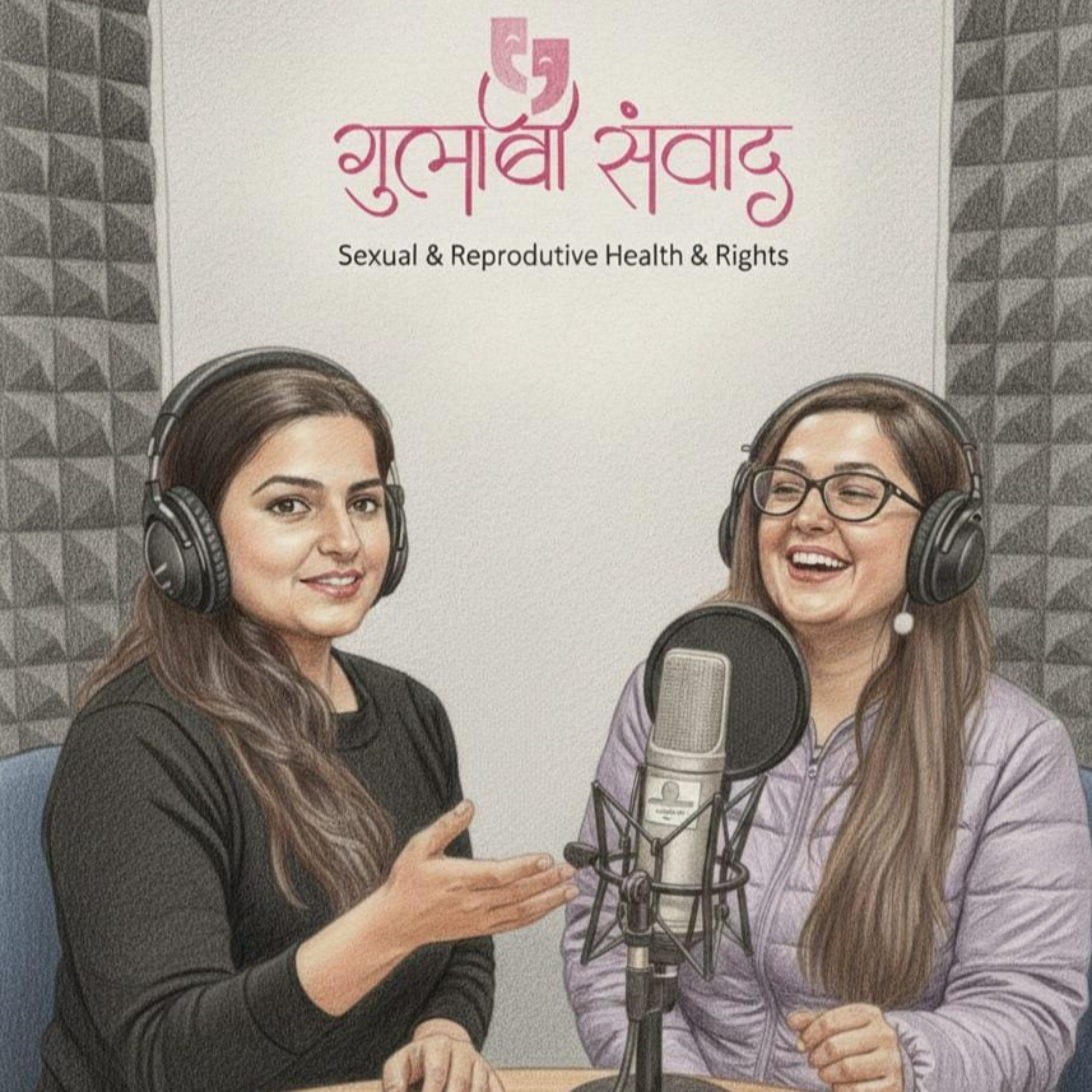
Menstrual hygiene can be difficult for them due to inaccessible toilets and changing rooms. There is a frequent lack of information and education about menstruation that is tailored to the needs of girls and women with disabilities. This has the potential to confuse, fear, and stigma. Addressing all these, in this episode of the podcast series, Gulabi Sambad discusses challenges faced by girls and women with disabilities during menstruation are highlighted.
It includes the experiences of Harikala Bhusal, a parent of an intellectual disability, and also, the experience of Roshani Adhikari, a girl with a vision-related disability. Bhusal has shared how she has struggled to maintain the menstrual hygiene of her daughter and Adhikari has shared how she deals with all the barriers that occur during her menstrual cycle.
This episode also incorporates the opinion of Radha Poudel, a Writer and a campaigner for Dignified Menstruation. In a discussion with Gulabi Sambad, Poudel emphasized the importance of parents and society in easing the problems and challenges faced by individuals with disabilities.
This episode is designed in collaboration with Karuna Foundation Nepal. #menstruation #menstrualhygiene #disabilities #SRHR #spotify #gulabisambad #KarunaFoundation #DPRP
Episode 64, Season 3,बलात्कारीलाई नै समर्थन गर्ने प्रवृत्ति छ
In this episode of Gulabi Sambad, we talk with Sulochana Khanal, Program Manager at WOREC Nepal, about the growing culture of victim blaming and the normalization of sexual violence in Nepali society.Our conversation explores rape culture, victim blaming, consent, the status of sex education in Nepal, social attitudes toward survivors, and the role of family, education, media, and society in addressing sexual violence.#sexeducation #rapeculture #victimblaming #consent #genderequality #Nepal #SRHR #podcast #gulabisambad
Episode 63, Season 3,विपद्को अर्को पाटो संकटमा स्वास्थ्य र सुरक्षा
isasters don’t affect everyone equally. Beyond rescue and relief, crises can create serious risks to health, safety, dignity, and access to essential services—especially for women, pregnant and postpartum women, children, and other vulnerable groups.In this episode of Gulabi Sambad, we speak with Nirajan Khadka, SRHR Technical Advisor at Plan International Nepal, about the often-overlooked challenges during disasters, including gender-based violence, menstrual health and hygiene, maternal and child health, access to contraception, reliable information, and the importance of preparedness.Because disaster response must go beyond survival—it must protect health, dignity, safety, and rights.#disasterresponse #disasterpreparedness #DisasterRiskReduction #healthandsafety #srhr #genderbasedviolence #Women #Rasuwa #Nepal #HumanRights #LeaveNoOneBehind #podcast #gulabisamb
Episode 62, Season 3, IVF: नेपालमा कहाँ र कसरी खर्च कति
In this episode of Gulabi Sambad, Dr. Padam Raj Pant, gynecologist and obstetrician, explains IVF in simple terms—from what IVF is and when it may be considered to where it is available in Nepal, how the process works, and how much it can cost. A practical conversation for anyone seeking clear, reliable information about IVF and fertility care in Nepal.#ivf #ivfparents #nepal #ReproductiveHealth #SRHR #podcast #gulabisambad
Episode 61, Season 03, PMOS and PCOS
In this episode of Gulabi Sambad, Dr. Surendra Prasad Bhatta, a gynecologist and obstetrician at Bhaktapur Hospital, explains the symptoms, causes, and effective ways to manage PMOS/PCOS. We talk about the signs and symptoms, why it happens, possible health risks, and practical ways to manage it through lifestyle changes and medical care. If you've been experiencing irregular periods, acne, weight changes, or hormonal concerns, this conversation is for you.#pmos #pcos #womenhealth #health #srhr #podcast #gulabisambad
